Disclosure: Some of the links in this article are affiliate links. If you book through them, we may earn a small commission — at no extra cost to you. We only recommend places we genuinely love.
When I was living in Chiang Mai, I watched elephant tourism change completely. Back in the late ’90s, riding camps with wooden seats bolted to an elephant’s back were the norm — nobody questioned it. By the time I left in 2004, the first no-riding sanctuaries were just starting to open, and honestly, most tourists still didn’t know the difference. Twenty-something years later, “ethical elephant sanctuary” has become such a common phrase that half the riding camps in the region have just slapped it on their signs without changing a single practice.
Why “Ethical” Is the Word Everyone Uses (and Almost No One Earns)
Here’s the uncomfortable truth: there is no official certification body policing the word “sanctuary” in Thailand. Any camp can call itself one. I’ve walked past places advertising “ethical elephant experience” with a riding platform sitting right there in the parking lot, saddle and all.
A genuinely ethical sanctuary will have all of these, no exceptions:
- No riding — not even “bareback riding,” which some camps market as a gentler alternative. It isn’t. An elephant’s spine isn’t built to carry weight.
- No shows or tricks — no painting, no dancing, no “elephant football.” If an elephant is performing, it was trained through methods you don’t want to know about.
- Visible rescue history — staff should be able to tell you exactly where each elephant came from (logging camp, riding tourism, street begging) and how long they’ve been at the sanctuary.
- Minimal chaining — some restraint is sometimes necessary for medical reasons or at night for safety, but it should never be the elephant’s default state.
- Local, community-run — the best sanctuaries I’ve visited over the years are run by Karen hill tribe communities who’ve cared for these elephants for generations, not foreign-owned tour operators who bought into “ethical tourism” as a marketing angle.
🐘 Local Tip: Ask This One Question Before You Book
“Can I ride an elephant here?” If the answer is anything other than an immediate, unambiguous “no,” walk away. A real sanctuary won’t hesitate on this — it’s core to who they are.
What an Ethical Sanctuary Visit Actually Looks Like
Based on the sanctuaries I’ve visited around Chiang Mai over the years, a typical half-day or full-day trip includes:
- Changing into simple mahout clothing (this is partly practical — you’re about to get muddy — and partly a gesture of respect)
- Learning each elephant’s name, age, and personal history from the mahouts
- Preparing food (usually bananas, watermelon, sugar cane, or vitamin balls) and feeding the herd by hand
- Walking with the elephants through the forest as they forage naturally
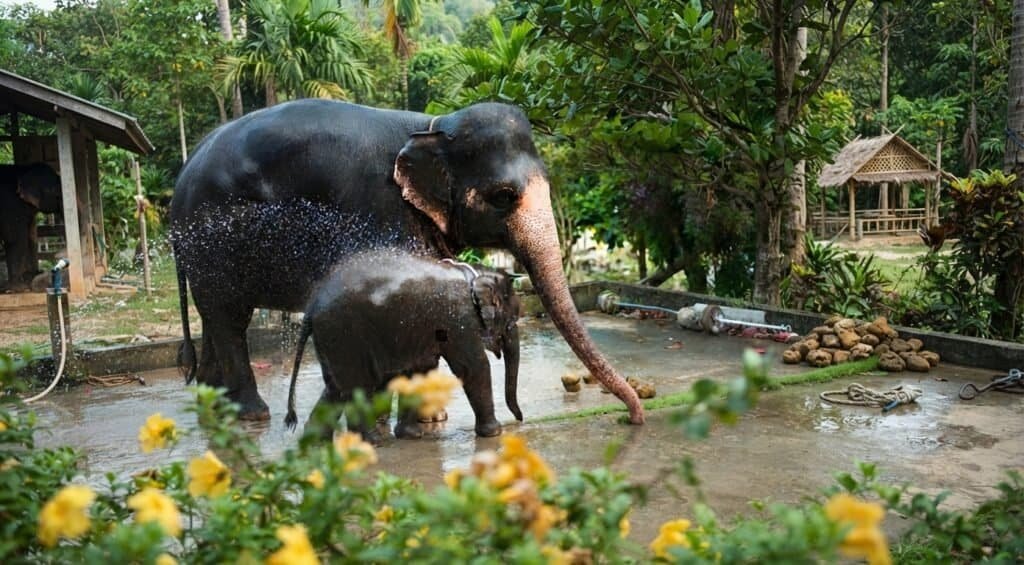
- A mud spa or river bath — this is the moment everyone remembers, and it’s also genuinely good for the elephants’ skin
- A Thai lunch, usually included in the price
Best for: families, first-time visitors to Thailand, and anyone who wants a genuinely hands-on wildlife experience without the guilt.
What to Watch Out For
Radical honesty here, because I’ve seen this go wrong: some camps near Chiang Mai run “sanctuary” branding but pack 40+ tourists onto a single elephant feeding session, which stresses the animals just as much as riding does, just with better PR. Smaller group sizes (under 15 people per elephant group) are a much better sign of genuine welfare standards than any word on the website.
Also — high season (November to February) means every popular sanctuary books out days in advance. If you’re travelling then, don’t leave this until you land in Chiang Mai.
🐘 Book a Verified Ethical Sanctuary Near Chiang Mai
I’ve checked this specific tour against everything above — no riding, no shows, small groups, genuine rescue elephants. It includes hotel pickup, an English-speaking guide, and lunch, and it’s the one I’d send a friend to.
Getting There and Getting Ready
Most ethical sanctuaries sit 1–2 hours outside Chiang Mai in the surrounding hills, which is exactly why the animals have space to actually behave like elephants. Almost every tour includes round-trip transport from your hotel, so you don’t need to arrange this yourself — but if you’re extending your trip north afterward, I always book ground transport through 12Go rather than negotiating with random minivan operators at the bus station.
🚐 Before You Go
Wear clothes you don’t mind getting muddy and wet — mud spas are not optional if an elephant decides you’re joining in. Bring a change of clothes for the ride back. If you need mobile data to book last-minute or navigate to the meeting point, grab a Thailand eSIM before you land — it’s faster than hunting for a SIM shop with jet lag.
For visas, transport, and everything else logistical, check our full Thailand Travel Logistics Guide. Want to see how this fits into your overall budget? Try our Thailand Trip Budget Calculator.
Flying Into Chiang Mai
If you’re planning your trip around this and haven’t booked flights yet, it’s worth comparing fares before sanctuary slots fill up in high season.
✈️ Book Your Flight to Chiang Mai
Want to build out a full Northern Thailand trip around this? Check out our Chiang Mai Travel Guide for where to stay and what else to do while you’re up there.
Ready to Meet Thailand’s Rescued Elephants?